
How to Choose a Solar Installer: Compare More Than the Price
Learn how to evaluate solar installers through project scope, equipment details, warranties, workmanship, service support and clear written proposals.
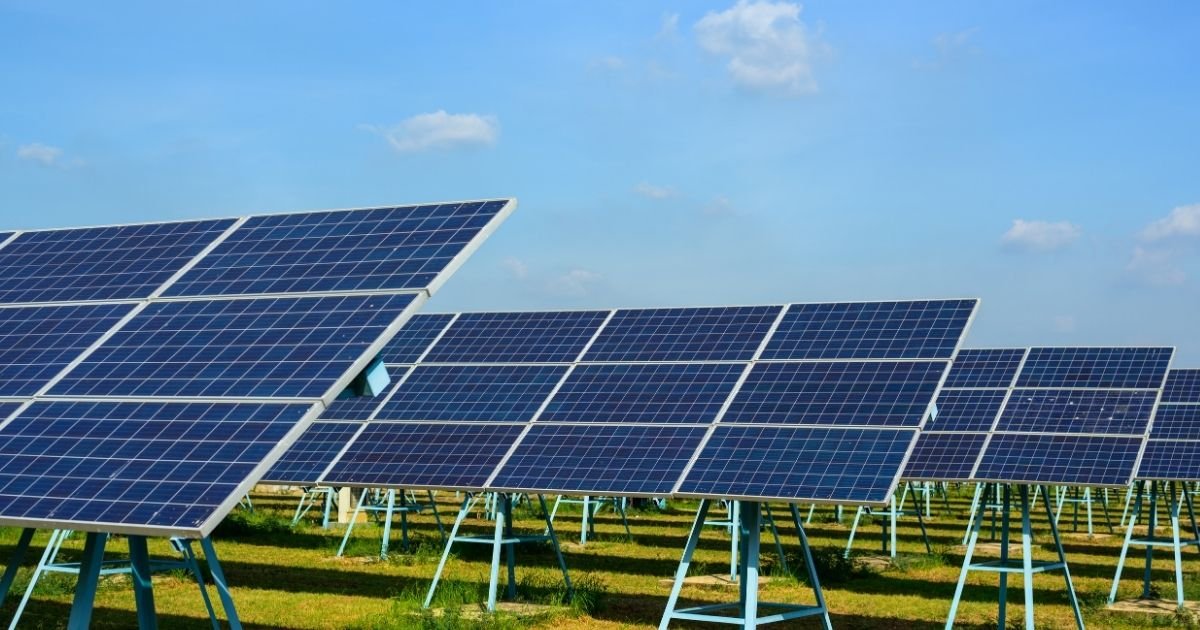
Choosing a solar installer in the Philippines requires more than comparing advertised package prices. The provider will be responsible for a system that connects to the property’s roof and electrical installation, so the design process, installation quality, utility coordination and after-sales support all matter.
A reliable selection process checks evidence and written commitments rather than relying on a sales presentation alone.
Check experience relevant to your project
Ask for examples of installations with a similar property type, roof, system configuration or capacity. Request references where available and review whether the provider can explain the role it performed on those projects. A residential rooftop project may not demonstrate experience with a commercial facility, battery backup or a complex electrical service.
Ask who will conduct the site survey, prepare the design, supervise installation and commission the system. Clarify the qualifications and responsibilities of the people performing electrical and other regulated work.
Review the site assessment and system design
A serious proposal should use the property’s electricity information and inspect or verify relevant site conditions before finalizing the design. Ask how shading, roof condition, orientation, structural constraints, cable routes and electrical protection are considered.
The design should identify panel and inverter models, capacity, expected output and system limitations. NREL’s PVWatts resource explains that energy predictions are based on assumptions and contain uncertainty. Be cautious of a provider that presents estimated production or savings as guaranteed.
Evaluate installation scope and safety
Ask for a written description of mounting, wiring, protective devices, grounding, labelling, isolation, testing and commissioning. Confirm whether roof repair, electrical upgrades, permits, inspections, utility applications and meter-related work are included or excluded.
For grid-connected projects, confirm the provider understands the applicable utility process. The ERC’s amended net-metering rules and the DOE’s 2026 circular for specified zero-export and micro-solar systems cover different arrangements; ask the installer to explain which pathway is relevant to the design.
Read warranties and support terms
Separate manufacturer warranties from installation workmanship coverage. Ask who files a product claim, whether labour or transport is covered and how service requests are handled. Confirm the monitoring setup, maintenance recommendations and support contact after commissioning.
Compare proposals consistently
Give each provider the same project brief. Compare exact equipment, capacity, expected output assumptions, complete scope, exclusions, payment milestones, warranties and support. The solar quote comparison guide includes a practical framework, while the complete quotation checklist identifies details to request.
Warning signs to investigate
- A guaranteed savings or payback promise without a transparent calculation.
- No clear equipment models or written installation scope.
- Pressure to pay before important site or utility questions are resolved.
- Unclear responsibility for permits, inspections or net-metering applications.
- Vague warranties or no named process for after-sales service.
- Refusal to identify exclusions or explain design assumptions.
A warning sign should prompt questions and written clarification. It should not be replaced by an assumption that every provider using a particular marketing label is qualified.
Make the agreement specific
Before paying a deposit, confirm the provider’s legal identity, deliverables, equipment schedule, milestones, completion conditions, payment schedule, change process, warranty terms and handover documents. Choose a provider that can explain the technical and commercial details clearly and stands behind the commitments in writing.
Official and technical references
Planning a solar project? Start with a free assessment.
Use your electricity bill, property details and project goals to explore preliminary solar options before requesting installer proposals. Assessment results are planning guidance, not a binding installation quotation.
Answers to common questions
Clear answers to the questions businesses often have before starting a website or custom system project.
01 What should I ask a solar installer before hiring?
Ask about comparable projects, site surveys, design assumptions, equipment models, installation scope, safety and commissioning, utility responsibilities, warranties, references and after-sales support. Request the answers in writing.
02 How can I check whether a solar installer is qualified?
Ask for the company's legal details, the qualifications of personnel responsible for regulated electrical work, relevant project experience and any registrations or authorizations applicable to the work. Verify claims with the relevant issuing body.
03 Should I choose the cheapest solar installer?
Not without reviewing the full proposal. Compare equipment, capacity, mounting, electrical protection, testing, utility work, exclusions, warranties and support. A lower total may reflect a narrower scope.
04 What are warning signs in a solar installation proposal?
Unspecified equipment, guaranteed savings without assumptions, unclear exclusions, pressure to pay before technical checks, vague warranty terms and no defined utility or commissioning responsibilities all deserve clarification.
05 What documents should I receive after installation?
Confirm the handover includes relevant equipment details, manuals, warranties, monitoring access, commissioning or test records, drawings and agreed contact information for support.