
How to Compare Solar Quotes from Different Installers
Compare solar quotes by capacity, panels, inverter, warranties, installation scope and projected output—not just the total price. Make a better-informed choice.
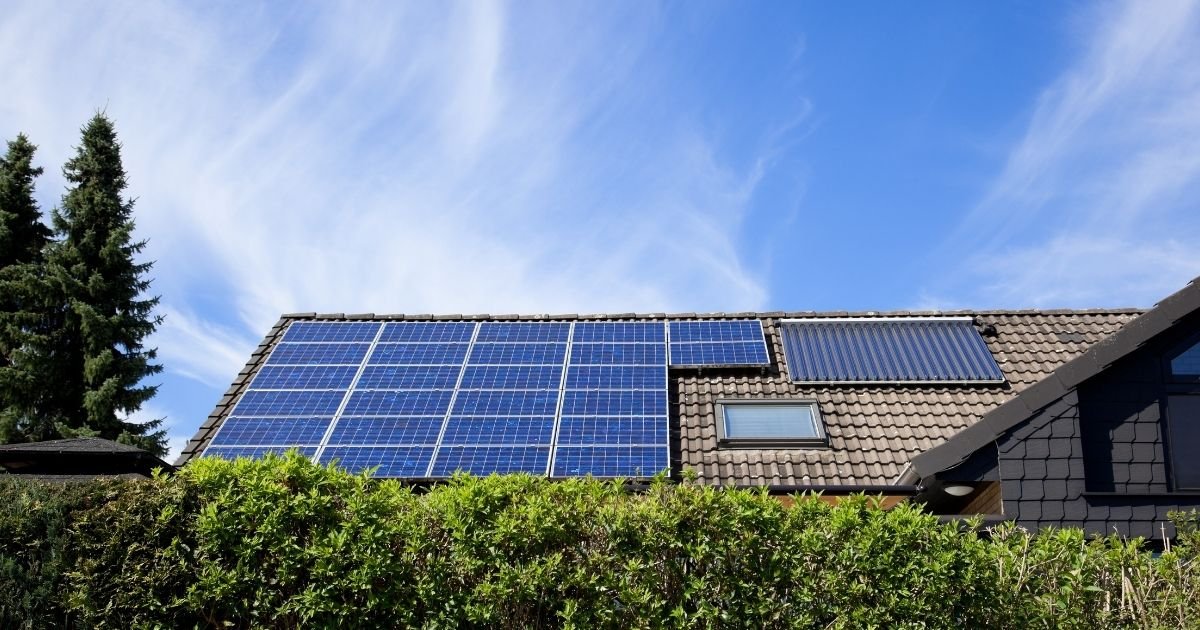
When you compare solar quotes in the Philippines, look beyond the total amount at the top of each proposal. Two offers can have similar prices but different equipment, system capacity, battery arrangements, installation work and warranty coverage. A useful comparison checks whether each provider is proposing the same outcome for the property.
Start by giving every installer the same electricity information, site details and project priorities. This makes it easier to see whether differences come from the design or from the way each quote is written.
Compare the technical design first
Record the proposed DC module capacity in kWp and the inverter’s AC rating. Note each panel’s make, model and rated wattage, along with the inverter type, model, phase and monitoring capability. If batteries are included, compare their chemistry, nominal and usable capacity, power output, warranty and the loads they are intended to support.
Ask for the expected annual energy output and the assumptions behind it. Location, orientation, shading, roof tilt, weather data, equipment and system losses all matter. A forecast without assumptions is difficult to verify. NREL’s PVWatts calculator explains that modelled results contain assumptions and uncertainties; it is a useful reference for understanding why estimates should not be treated as guarantees.
Use a scope checklist
| Item | What to verify |
|---|---|
| Panels and inverter | Exact make, model, quantity, capacity and datasheets |
| Mounting | Roof or ground mounting method, materials and waterproofing details |
| Electrical work | Cabling, conduits, breakers, disconnects, grounding and protection |
| Installation | Labour, access equipment, safety plan, testing and commissioning |
| Utility coordination | Applications, inspections and metering work where applicable |
| Handover | Drawings, manuals, monitoring access and user orientation |
| Support | Product warranties, workmanship coverage and service process |
Make sure exclusions are visible. Roof repairs, main-panel upgrades, long cable runs, taxes, permits or utility-related costs may be handled differently by different providers.
Evaluate projected savings carefully
A proposal may show savings or a payback period. Ask which electricity tariff was used, how much generation is expected to be consumed on-site, how exports are credited and whether monthly charges remain. Confirm that the estimate uses your distribution utility and customer class.
The DOE publishes electricity-rate data, and the ERC’s amended net-metering rules explain program provisions that affect qualifying grid-connected projects. A proposal should not assume exported energy offsets every bill component at the retail rate.
Ask each installer the same questions
Who prepared the design? Was the site inspected? What is included in the quoted total? Which items could change after the survey? Who handles the utility process? What happens if equipment is substituted? What warranty covers workmanship? How are service requests handled after commissioning?
For a deeper procurement process, see solar project bidding and what a complete solar quotation includes.
Make the decision on evidence
A good comparison sheet should show technical fit, complete scope, realistic assumptions, contract terms and after-sales arrangements. Ask providers to clarify unexplained differences in writing. Do not accept an unsupported promise of a specific savings amount or payback date.
The strongest proposal is the one that is transparent, technically suitable and aligned with your property’s needs. Use the same criteria for every bidder, and request a final written design after the necessary site and utility checks.
Official and technical references
Planning a solar project? Start with a free assessment.
Use your electricity bill, property details and project goals to explore preliminary solar options before requesting installer proposals. Assessment results are planning guidance, not a binding installation quotation.
Answers to common questions
Clear answers to the questions businesses often have before starting a website or custom system project.
01 What is the most important thing to compare in solar quotations?
Compare the full system design and installation scope first: capacity, equipment models, mounting, protection, labour, utility work, commissioning, warranties and exclusions. Then compare price and projected performance.
02 Should all solar installers quote the same system size?
They should work from the same project brief, but technically justified designs may differ. Ask each provider to explain the consumption data, roof assumptions, inverter sizing and expected output behind its recommendation.
03 How can I verify a solar quote's estimated savings?
Check the electricity rate, customer class, monthly usage, daytime self-consumption, export-credit assumption, system losses and recurring charges. Request the calculation rather than relying on a headline savings claim.
04 Are warranties directly comparable between installers?
Not always. Separate product warranties from workmanship coverage and service commitments. Check who handles claims, what exclusions apply, whether labour is covered and how long each obligation lasts.
05 Is a site inspection necessary before choosing a solar installer?
A remote review can help screen options, but a final design and installation proposal should account for actual roof, structure, shading, electrical and site-access conditions.