
Solar Project Bidding: Get Competing Offers for Your Project
See how solar project bidding helps homeowners and businesses request offers, review competing proposals and compare system options before selecting a provider.
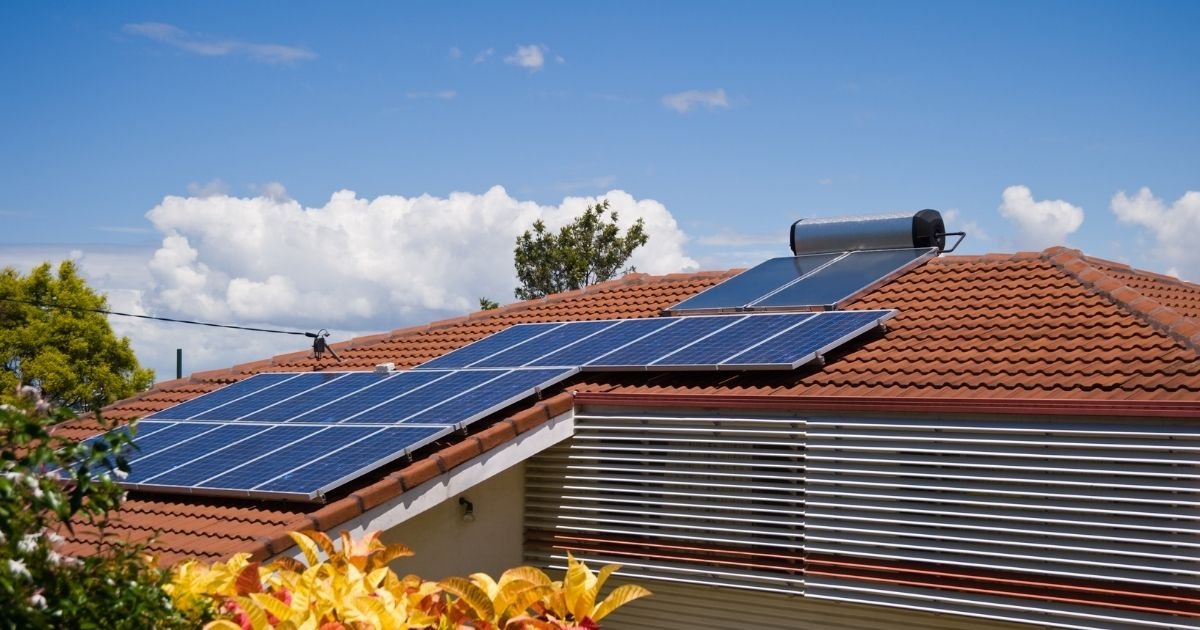
Solar project bidding gives a homeowner or business a structured way to request and compare proposals from more than one provider. Instead of receiving unrelated estimates, each bidder works from a shared project brief. That makes differences in system design, equipment, installation scope and commercial terms easier to understand.
The goal is not simply to collect the largest number of offers. It is to obtain proposals that are comparable, technically appropriate and clear about what is included.
Prepare one project brief for every bidder
Start with the property location, electricity bills, customer type, operating hours and project objectives. State whether you are considering a grid-connected system, battery backup or another configuration. Include roof details, access limitations, known electrical concerns and any planned renovation.
Separate essential requirements from optional preferences. For a business, include operating schedules, major loads and any information about demand charges or production downtime. For a home, note the loads that matter during outages if backup is a priority.
The solar assessment checklist provides a practical list of information to collect before sending a request.
Standardize what you ask providers to submit
Give each bidder the same response format. Request:
- Proposed DC capacity and inverter AC capacity.
- Panel, inverter and battery make, model and datasheets.
- Expected energy output and the assumptions used.
- Roof mounting, electrical protection and installation scope.
- Utility coordination, permits and inspection responsibilities where applicable.
- Total price, payment milestones, taxes, exclusions and optional items.
- Product warranties, workmanship coverage and after-sales process.
- Project schedule assumptions and items that depend on site inspection.
Ask bidders to distinguish preliminary estimates from firm prices and to identify any information still required.
Evaluate bids consistently
Use a scorecard that considers technical suitability, scope completeness, equipment, expected performance, safety, warranties, support and commercial terms. A provider that proposes a larger system is not automatically better. The design should reflect the property’s energy profile, available roof area and project objectives.
Check whether the provider explains how self-consumed energy and exported electricity are treated. The ERC’s amended net-metering rules describe updated program provisions for qualified end-users. Requirements and procedures should still be confirmed with the distribution utility serving the property.
For example, Meralco’s net-metering application page lists documents and process information relevant to customers in its service area. Other utilities may have different published processes and forms.
Run clarification before selecting a provider
Send the same clarification questions to each shortlisted bidder. Ask them to explain mismatched capacities, unclear exclusions, equipment substitutions, generation assumptions and responsibilities for utility submissions. If a site survey is required, arrange it before treating the final proposal as settled.
Do not choose solely on a price-per-kWp calculation. Review how to compare solar quotes and the solar installation price reference guide to understand the limits of simple price comparisons.
Document the final decision
Keep the project brief, proposals, clarification responses, selected equipment list and signed agreement together. The final contract should identify deliverables, milestones, acceptance checks, payment terms, exclusions, warranties and the process for handling changes.
A disciplined bidding process helps reduce confusion and makes it easier to explain why a provider was selected. It also gives the installation team a clearer understanding of the project’s requirements before work begins.
Official and technical references
Planning a solar project? Start with a free assessment.
Use your electricity bill, property details and project goals to explore preliminary solar options before requesting installer proposals. Assessment results are planning guidance, not a binding installation quotation.
Answers to common questions
Clear answers to the questions businesses often have before starting a website or custom system project.
01 How many solar installers should I invite to bid?
Invite enough qualified providers to create a useful comparison while keeping the process manageable. The important part is that each provider receives the same brief and submits the same core information.
02 What should a solar project bidding brief include?
Include the property location, electricity use, roof and site details, project goals, backup requirements, preferred timeline and requested quotation format. Clearly identify what is known and what still needs inspection.
03 Should I select the lowest solar bid?
Not automatically. Check system suitability, equipment, complete installation scope, warranties, utility responsibilities, payment terms and after-sales support. A low price may exclude important work.
04 Do solar bids need to include net-metering costs and paperwork?
They should state who is responsible for utility applications, required documents, inspections and any related costs. Confirm the latest process with the distribution utility serving the site.
05 Can solar project bids be compared before a site visit?
Preliminary offers can be screened using a common brief, but a final technical design and price may require a site survey and confirmation of roof, electrical and utility conditions.