
Solar Market Price Reference: How to Judge a Solar Quote Fairly
Use market price references carefully when reviewing solar bids. Compare system size, equipment brands, included work and quote dates before judging value.
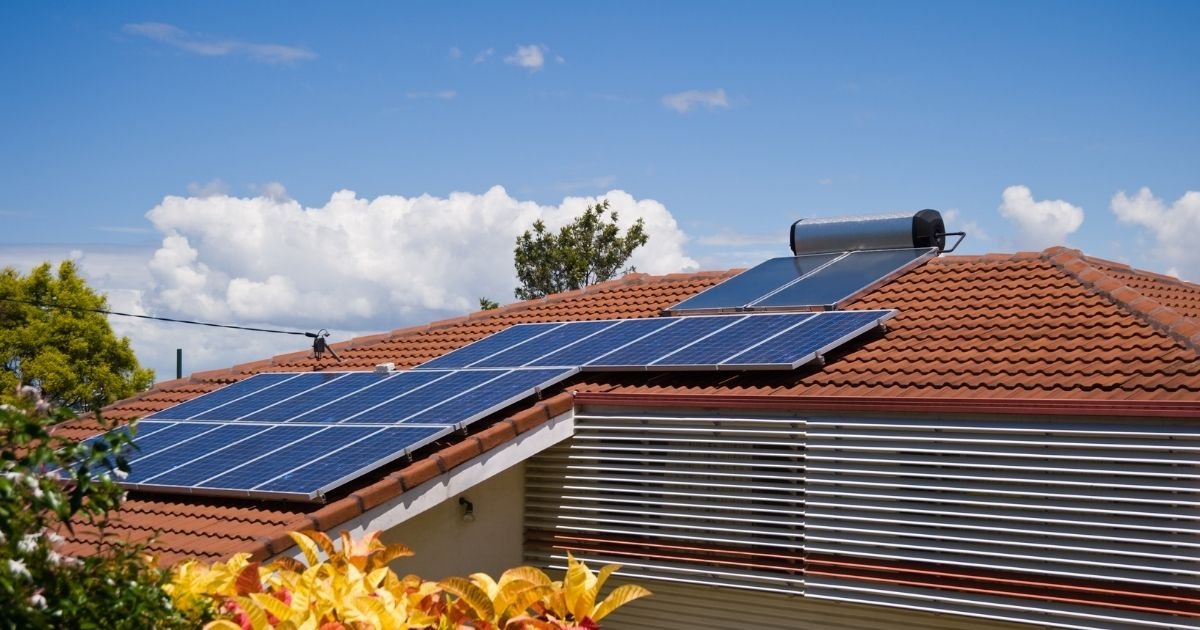
A solar market price reference in the Philippines can help you understand whether a quotation deserves closer review, but it should never be treated as a universal installation price. A reference is useful only when you know its date, location, system type, equipment and included work.
A price from a different year, utility area or system configuration may not be comparable to the proposal in front of you. Use references to ask better questions—not to replace a site-specific quotation.
Record the context behind every price
Before using a published figure, check the publication date, source, location, system capacity and whether the value is for equipment only or a complete installation. Identify whether batteries, mounting, electrical upgrades, engineering, permits, taxes, utility coordination and warranties are included.
If the source does not explain these details, mark it as a broad reference rather than a verified market quote. Avoid combining unrelated online offers into an average without normalizing their scope.
Normalize system capacity and scope
A price-per-kWp comparison can be helpful when the same capacity definition and included work are used. Confirm whether the capacity is DC module kWp or inverter AC kW. Separate battery storage from the solar array if one proposal includes it and another does not.
Use the price per kWp comparison guide to build a consistent comparison. Then check exact panel and inverter models, roof mounting, electrical protection, commissioning, support and exclusions.
Keep project economics separate from installation prices
Electricity rates help estimate the value of energy generated, but they are not a direct source of installation costs. The DOE electricity-rate portal provides monthly utility and customer-class data that may be relevant to a savings model.
For qualifying grid-connected projects, the ERC’s 2025 amended net-metering rules provide important context for export credits and program procedures. Check the applicable utility process and do not assume exported electricity is valued identically to on-site consumption.
Use real proposals as the strongest comparison set
For a specific property, request current written proposals from multiple providers using one project brief. Ask each provider to state the equipment, design assumptions, capacity, expected output, complete scope, exclusions, warranties and validity date.
Compare proposals using a scorecard that includes technical suitability, installation quality, support and commercial terms. If a price is much lower or higher than the others, ask what explains the difference. It may reflect different equipment, scope, site assumptions or omissions.
Watch for misleading reference claims
Be careful with undated tables, unspecified equipment packages, promotional figures with unclear exclusions and claims that all Philippine installations should cost the same amount. A reference should identify its source and methodology. It should also be clear whether the figure is historical, illustrative, indicative or a current offer.
Make the reference useful for your decision
Keep a record of the date, location, capacity basis, equipment, battery inclusion, scope and source for every figure you review. Then compare those references with current, property-specific bids. This creates a fairer basis for discussion and reduces the risk of choosing a project from incomplete information.
For a practical next step, review how to compare solar quotes and use the solar project bidding process to request offers on a consistent basis.
Official and technical references
Planning a solar project? Start with a free assessment.
Use your electricity bill, property details and project goals to explore preliminary solar options before requesting installer proposals. Assessment results are planning guidance, not a binding installation quotation.
Answers to common questions
Clear answers to the questions businesses often have before starting a website or custom system project.
01 Is there one official solar installation price in the Philippines?
A single nationwide price would not reflect differences in equipment, capacity, location, roof conditions, battery requirements and installation scope. Use dated and clearly defined references, then obtain a site-specific quotation.
02 How can I tell whether an online solar price reference is current?
Check its publication or update date, location, source, equipment, capacity and list of included work. If those details are missing, treat it as illustrative rather than a current market benchmark.
03 Can I compare solar prices from different cities?
You can use them as broad context, but transport, access, labour, roof conditions, utility processes and project scope may differ. Record the location and assumptions before drawing conclusions.
04 Should a market price reference include batteries?
It should clearly say whether storage is included and identify its capacity and equipment. Separate battery and non-battery systems when comparing the solar array price.
05 What is the fairest way to judge a solar quotation?
Give providers the same project brief, then compare exact equipment, capacity, expected output, installation scope, exclusions, warranties and support. Use market references only as secondary context.