
Free Solar Assessment in the Philippines: What to Expect
Get a free solar assessment using your bill, location and project goals. Review system options, planning costs and estimated savings before requesting bids.
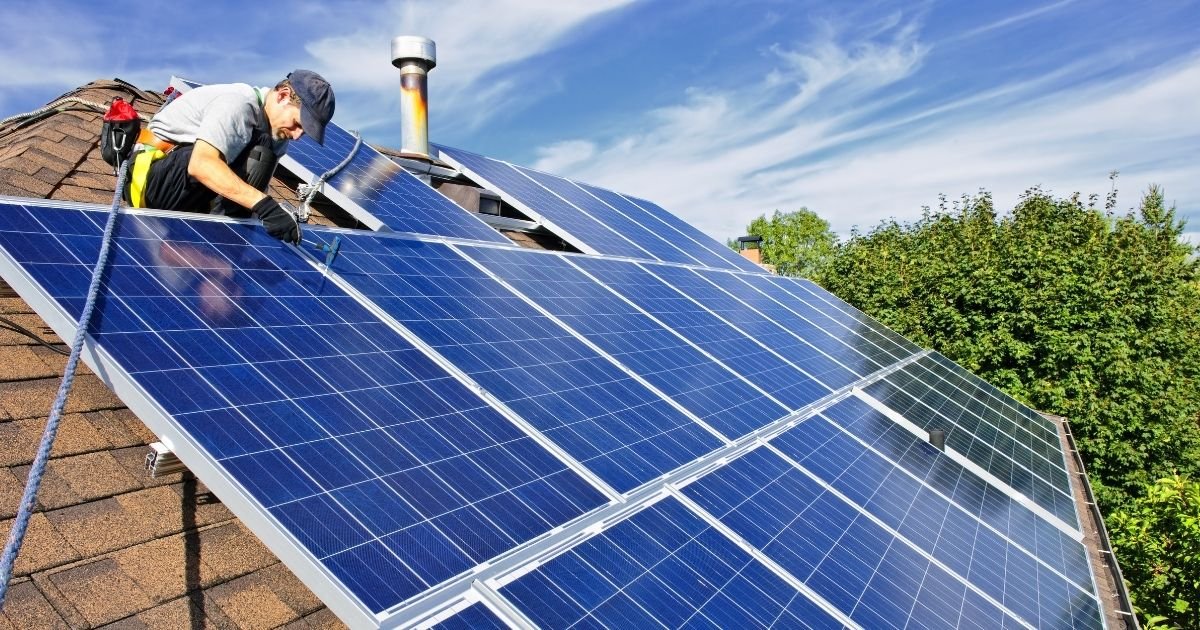
A free solar assessment in the Philippines is a practical first step for a homeowner or business that wants to understand whether a solar project deserves a closer look. It should turn basic information—such as an electricity bill, property location, roof details and project goals—into a preliminary view of possible system options. It is a planning exercise, not a final engineering design or a binding installation quotation.
The useful outcome is a clearer set of questions to take to qualified solar providers. You should understand what assumptions were used, what still needs a site inspection and which parts of the proposal could change after technical validation.
What a useful assessment should review
A meaningful assessment considers more than the amount due on one electricity bill. It should look at:
- Electricity use: monthly kilowatt-hour consumption, billing history and the pattern of daytime versus evening use.
- Property location: the city or municipality, distribution utility and local conditions relevant to the site.
- Roof or installation area: usable space, orientation, tilt, shade, obstructions and roof condition.
- Project priorities: lower daytime energy purchases, backup power, resilience, sustainability goals or a combination.
- System choices: whether an on-grid, hybrid or other configuration deserves further evaluation.
For a preliminary generation estimate, tools such as the NREL PVWatts calculator use location and system assumptions to model expected output. NREL cautions that these estimates contain assumptions and do not replace a detailed site-specific design.
What information should you prepare?
Have a recent electricity bill available, and preferably several months of bills so seasonal changes can be considered. Note the property address or municipality, the type of building, the usual operating hours and any large loads such as air-conditioning, pumps, refrigeration or machinery.
Roof photographs taken from safe, accessible positions can help start the discussion, but they do not establish structural suitability. Include whether the property is owned or leased, whether roof repairs are planned and whether backup power is important. Do not climb onto a roof or open electrical equipment to collect information.
What happens during the assessment?
A sound process starts with the information you submit. The assessor should identify missing details, state the assumptions behind any system-size or savings estimate and explain what requires a physical survey. A preliminary report may compare configurations, show an indicative capacity range, identify possible battery requirements and outline the next steps for requesting written proposals.
Review the result alongside the solar system cost guide and the solar assessment checklist. This will help you distinguish an early planning estimate from a complete installation scope.
Know what a free assessment cannot confirm
A remote assessment cannot certify roof structure, verify hidden wiring, guarantee energy production or confirm that a utility will approve a grid connection. Savings also depend on actual consumption patterns, equipment, weather, system losses, electricity charges and applicable export-credit arrangements.
The Department of Energy electricity-rate data can help explain why location and customer class matter when evaluating a bill. Ask an assessor to identify the rate and billing assumptions used rather than presenting one savings figure as universal.
Turn the assessment into comparable proposals
Use the assessment to create one project brief and share the same requirements with prospective installers. Ask each provider to state the equipment, design assumptions, installation scope, warranties, permits or utility coordination, exclusions and after-sales support. Then compare proposals on equal terms instead of choosing from a headline price alone.
A free assessment is most valuable when it helps you make a more informed next decision. Start with accurate information, check the assumptions and request a site-specific design before committing to equipment or installation.
Official and technical references
Planning a solar project? Start with a free assessment.
Use your electricity bill, property details and project goals to explore preliminary solar options before requesting installer proposals. Assessment results are planning guidance, not a binding installation quotation.
Answers to common questions
Clear answers to the questions businesses often have before starting a website or custom system project.
01 Is a free solar assessment the same as a solar installation quotation?
No. A free assessment is normally an early planning review based on information you provide. A complete quotation should follow a defined scope and appropriate technical validation, and should list equipment, installation work, exclusions and warranty terms.
02 What should I prepare for a free solar assessment in the Philippines?
Prepare a recent electricity bill, property location, typical operating hours, roof photographs taken safely, major appliance or equipment details and your project goals. Several months of bills are more useful than a single bill.
03 Can an online assessment confirm my roof is safe for solar panels?
No. Photos and remote information can identify questions, but structural condition, waterproofing, mounting points and electrical safety need suitable on-site assessment by qualified professionals.
04 Will a free assessment tell me exactly how much I can save?
It can provide an indicative estimate if assumptions are disclosed. Actual results depend on system design, weather, shading, consumption timing, electricity rates, system losses and any applicable export-credit rules.
05 Do I need to choose an installer before getting an assessment?
Not necessarily. An initial assessment can help you define the project brief first. You can then share the same requirements with multiple providers and compare their written proposals.