
Solar Assessment Checklist Before You Request Bids
Prepare your electricity bill, site details, roof photos and project goals for a more useful solar assessment. Make it easier to compare provider offers.
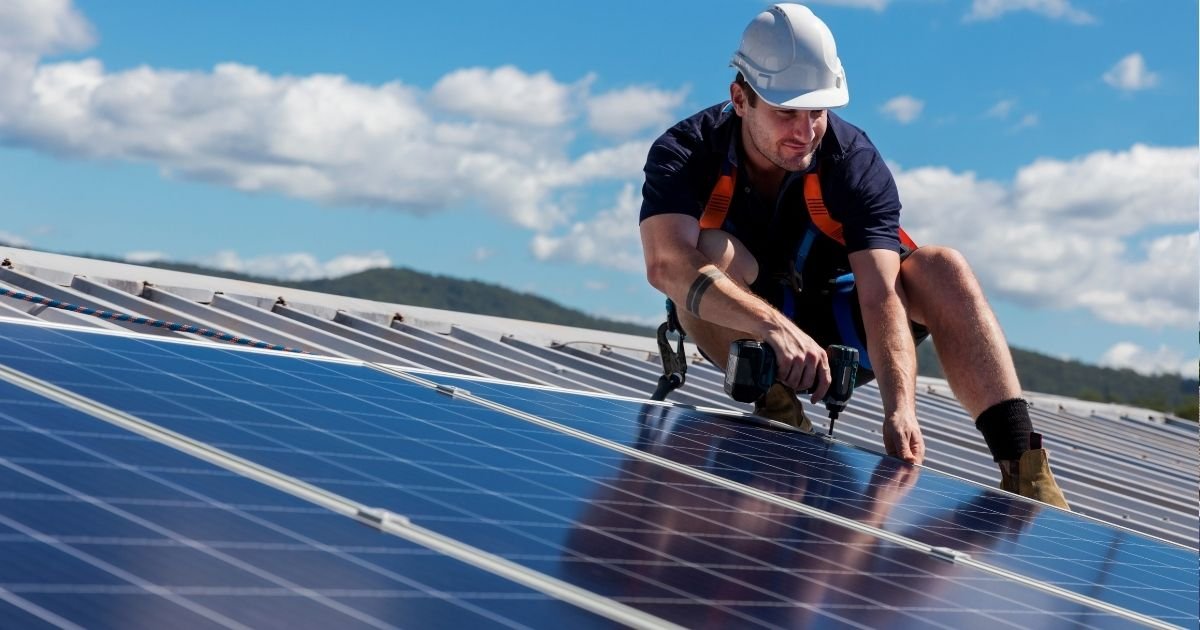
A solar assessment checklist helps you prepare the information that a provider needs to review a property and develop a preliminary project proposal. The better the brief, the easier it is to compare installer offers and identify which questions still require a site visit.
You do not need to have every technical answer before contacting a provider. Separate confirmed information from estimates, and let the installer identify what must be verified.
1. Collect electricity information
Prepare recent electricity bills, preferably covering several billing periods. Record the kWh used, billing dates, customer class and distribution utility. If available, include interval or demand data, especially for commercial properties.
Note unusual months, changes in occupancy, seasonal production and planned new equipment. This information helps explain whether current consumption is representative of future use.
2. Document the property and roof
Record the property location, building type, ownership or lease status and usual operating hours. Collect roof photographs from safe locations, a roof plan if available, and any information about roof material, age, repairs or planned renovation.
Do not climb onto the roof or remove electrical covers to gather information. A provider should arrange an appropriate inspection for details that cannot be established safely from the ground.
3. List the major loads and project goals
Identify large appliances or equipment, when they operate and whether any must remain available during an outage. State whether your primary goal is daytime bill reduction, backup power, energy resilience, business continuity or another objective.
For a battery proposal, list critical loads and the approximate hours they need to operate. A general request for backup is not specific enough to size a battery or inverter.
4. Define the technical questions
Ask the provider to identify the proposed DC capacity, inverter rating, expected generation assumptions, shading considerations, battery options and installation scope. Confirm whether the design is intended to export electricity or prevent export. The ERC’s amended net-metering rules and DOE’s 2026 zero-export policy circular apply to different arrangements, so the intended configuration should be clear.
5. Request a complete written proposal
Make sure the quotation identifies equipment models, mounting, wiring, electrical protection, labour, commissioning, utility coordination, permits or inspections where applicable, warranties, exclusions, payment milestones and after-sales support. Ask for the proposal date and validity period.
The complete solar installation quote guide and solar quote comparison article provide a more detailed review framework.
6. Compare offers using the same brief
Send the same information and questions to each provider. Compare technical suitability, equipment, total installed cost, expected output, assumptions, scope, warranties and support. If the proposals differ significantly, request written explanations before selecting one.
The DOE electricity-rate portal can help you check published rate information for the financial assumptions, while actual tariff and credit details should be confirmed for your account.
Download-ready checklist
Before requesting bids, check that you have:
- Recent electricity bills and kWh history.
- Property location, building type and utility provider.
- Roof photographs and available plans or measurements.
- Roof age, repair history and known site constraints.
- Major loads and operating hours.
- Backup requirements and critical-load list, if relevant.
- Project goals, preferred timeline and budget considerations.
- Questions about utility arrangements, warranties and support.
Use this checklist to organize your information and request a free preliminary review. A complete assessment should make the assumptions visible and identify what still needs technical verification before installation.
Official and technical references
Planning a solar project? Start with a free assessment.
Use your electricity bill, property details and project goals to explore preliminary solar options before requesting installer proposals. Assessment results are planning guidance, not a binding installation quotation.
Answers to common questions
Clear answers to the questions businesses often have before starting a website or custom system project.
01 What documents do I need for a solar assessment?
Prepare electricity bills, property location, roof photos or plans, operating hours, major load information and project goals. For commercial properties, interval or demand data can also be helpful.
02 Do I need a roof plan before requesting solar bids?
A roof plan is useful but not essential for an initial discussion. Provide available measurements or photos taken safely, and ask the installer to identify what needs to be measured or inspected on site.
03 Should I share the same information with every solar installer?
Yes. A common project brief makes proposals easier to compare. Share the same bills, site details, goals and requested quotation format with each shortlisted provider.
04 What questions should I ask before requesting a solar quotation?
Ask about system capacity, equipment models, expected output assumptions, battery options, export or zero-export configuration, installation scope, utility responsibilities, warranties, exclusions and after-sales support.
05 Can I request bids before a technical site inspection?
You can request preliminary proposals using the same brief, but a final design and price may require verification of roof, structure, electrical installation, access and utility conditions.