
How Much Does a Solar Power System Cost in the Philippines?
Learn what affects solar system costs in the Philippines, from system size and equipment to batteries and installation. Compare estimates before you choose.
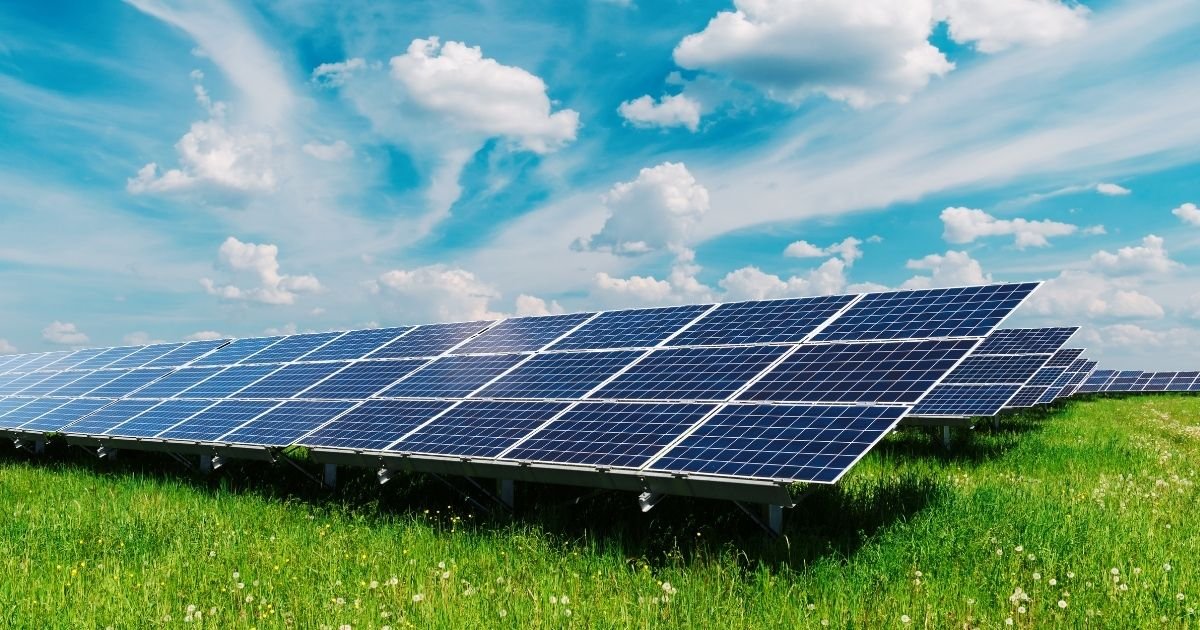
The cost of a solar power system in the Philippines depends on the design and work included in the project. System capacity is important, but it is not the only cost driver. Equipment selection, roof conditions, electrical upgrades, battery storage, engineering, utility coordination and after-sales support can all change the final proposal.
That is why a single nationwide price is not a reliable budget for every home or business. Treat online figures as early references only, then compare written proposals that describe the same system boundary and installation scope.
What makes up the total project cost?
A complete solar project may include solar modules, one or more inverters, mounting structures, cabling, connectors, protective devices, monitoring, labour, engineering and commissioning. The property may also need panel-board work, wiring improvements, roof repairs or other preparatory work. These items should be identified rather than hidden inside an unexplained total.
Battery storage is a separate design decision. It can add batteries, a compatible hybrid inverter, protection equipment and additional installation requirements. A system intended to provide backup power may also need a critical-loads panel and a clear decision about which circuits will remain powered during an outage.
Capacity is only one part of the comparison
A larger system generally needs more modules and associated equipment, but cost per kilowatt-peak (kWp) can move in either direction as the design changes. Small installations may have fixed costs that are spread across fewer kilowatts. More complex roofs, long cable runs, difficult access or electrical upgrades can also affect the amount of work.
Use the solar installation price per kWp guide to compare capacity-based figures carefully. For a fair comparison, confirm whether each proposal uses DC module capacity or inverter AC capacity and whether batteries, taxes, permits and electrical works are included.
How to build a realistic budget
Start with your electricity use and project priorities. Decide whether the main goal is to offset daytime consumption, provide backup during outages, or evaluate a larger business installation. Then assess the roof or site, available electrical capacity and likely utility requirements.
Ask providers to separate the main equipment and installation scope, where practical. Request a written list of included items, optional upgrades, exclusions, assumptions and recurring costs. Check whether monitoring, commissioning, user orientation, documentation and post-installation support are covered.
Electricity rates influence the value of the energy a system can offset. The DOE electricity-rate data publishes monthly utility rates by customer class, while the ERC’s amended net-metering rules explain important program changes for qualified end-users. Neither source is a solar installation price list; they are inputs to a properly defined project and savings analysis.
Compare the same scope, not just the total
When two quotations differ, check panel and inverter models, system capacity, mounting method, protection devices, warranties, installation work and expected output assumptions. Confirm whether both proposals include site inspection, utility applications, permits or inspections where applicable, and any required meter-related work.
The solar quote comparison checklist and complete quotation guide can help you structure that review. A lower total may simply exclude work that another provider has included.
A responsible way to estimate
A preliminary cost estimate can help decide whether to continue, but it should be labelled as indicative and dated. Do not treat illustrative planning assumptions as a live market quotation or a guaranteed price. Request a site-specific proposal before making a purchase decision, and make sure the total cost, expected performance, assumptions and after-sales responsibilities are clear in writing.
Official and technical references
Planning a solar project? Start with a free assessment.
Use your electricity bill, property details and project goals to explore preliminary solar options before requesting installer proposals. Assessment results are planning guidance, not a binding installation quotation.
Answers to common questions
Clear answers to the questions businesses often have before starting a website or custom system project.
01 How much does a solar power system cost in the Philippines?
There is no single reliable price for every property. The amount depends on capacity, equipment, roof and electrical conditions, battery requirements, installation scope, utility coordination and the warranties or support included.
02 Does adding a battery make a solar system more expensive?
Usually, yes. Battery storage adds the battery units and may require a compatible inverter, protection, wiring and a critical-loads arrangement. The value depends on the backup requirement and how the battery will be used.
03 Is price per kWp enough to compare solar quotations?
No. It is one comparison metric, but it does not show equipment quality, roof complexity, electrical upgrades, battery capacity, permits, warranties or exclusions. Compare the full scope and specifications.
04 Should I use online solar prices as my final budget?
Use them only as an initial reference. Prices may be outdated or based on a different location, equipment set or installation scope. Ask for a dated, site-specific quotation.
05 What should be included in a solar installation budget?
Review modules, inverter, mounting, cabling, electrical protection, labour, engineering, commissioning, permits or utility work where applicable, monitoring, taxes, warranties and post-installation support.