
Solar Installation Price per kWp: How to Compare Market Rates
Understand solar installation prices per kWp and compare systems on a like-for-like basis. Check equipment, scope and location before judging a quote.
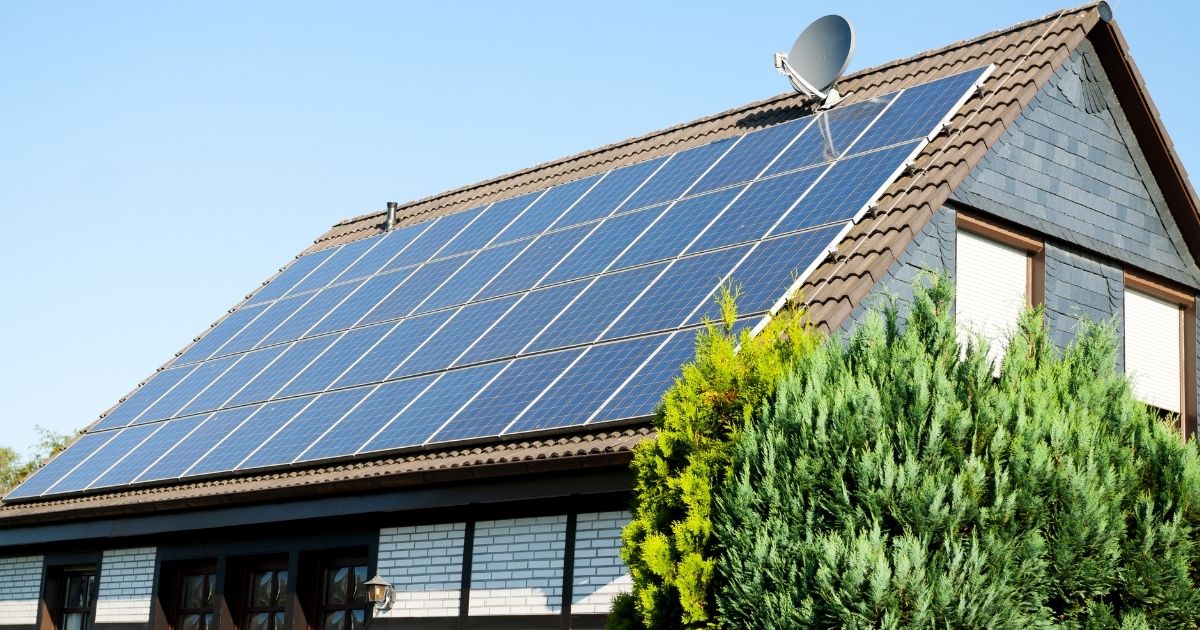
A price-per-kWp figure can make solar quotations easier to compare, but only when the projects use the same definition of capacity and include comparable work. In the Philippines, a headline rate can be misleading when one proposal includes only modules and an inverter while another includes mounting, electrical protection, commissioning, utility coordination and other site work.
Use the metric as a screening tool—not as proof that one installer offers better value.
How to calculate the price per kWp
For a simple comparison, divide the quoted installed project amount by the stated system capacity in kWp:
Installed price per kWp = comparable installed project cost ÷ stated system capacity in kWp.
For example, a quotation that states an installed total and a DC module capacity can be converted to a cost-per-kWp figure. The important word is comparable: both the numerator and denominator must refer to the same type of system and scope.
Ask whether capacity means the combined DC nameplate rating of the panels or the AC rating of the inverter. Do not compare one provider’s DC kWp with another provider’s AC kW as though they are interchangeable.
What must be the same before comparing?
Check these items side by side:
- Equipment: module make and model, wattage, inverter make and model, number of units and monitoring features.
- Included work: mounting, wiring, conduits, protection devices, labour, testing and commissioning.
- Site conditions: roof type, height, access, shading, cable distance and any required structural or electrical work.
- Storage: whether a battery is included, its usable capacity and the backup circuits it supports.
- Project costs: taxes, delivery, permits, inspections, utility coordination and meter-related items where applicable.
- After-sales terms: product and workmanship warranties, maintenance, response process and exclusions.
These details explain why a higher price per kWp may represent a more complete project—or simply a different specification. The solar system cost guide covers the cost components in more detail.
Location and grid requirements matter
The project location can affect transport, access, labour planning and the distribution utility’s process. Grid-connected systems may require utility review and metering arrangements. The ERC’s 2025 amended net-metering rules include updated program provisions, while the DOE’s 2026 policy for zero-export and micro-solar systems addresses a different own-use pathway. Do not assume that one set of requirements applies to every system configuration.
Electricity-rate assumptions are also important when evaluating whether the proposed system suits the project. The DOE electricity data portal publishes monthly rates by distribution utility and customer class; use the correct rate for the property rather than a generic national figure.
Create a like-for-like comparison sheet
Ask every installer to provide the same project details: total installed amount, DC capacity, inverter AC capacity, included equipment, battery details, installation scope, exclusions and warranty coverage. Calculate the cost per kWp only after confirming that the systems are sufficiently comparable.
Then assess expected output, the share of energy used on-site and any export-credit assumptions. A low cost per kWp does not automatically mean low lifetime cost or suitable system design.
Treat published market rates as references
If you use an online market reference, record the publication date, location, system type, equipment and included work. A rate without that context should not be treated as a current nationwide benchmark. The right proposal is the one that fits the property’s energy use, technical requirements and project priorities—not necessarily the one with the lowest divided number.
For a structured review, see how to compare solar quotes before requesting final bids.
Official and technical references
Planning a solar project? Start with a free assessment.
Use your electricity bill, property details and project goals to explore preliminary solar options before requesting installer proposals. Assessment results are planning guidance, not a binding installation quotation.
Answers to common questions
Clear answers to the questions businesses often have before starting a website or custom system project.
01 What does kWp mean in a solar quotation?
Kilowatt-peak describes the combined rated DC capacity of the solar modules under standard test conditions. A proposal may also state inverter AC capacity, which is a different measure and should not be substituted without explanation.
02 How do I calculate solar installation price per kWp?
Divide the comparable installed project cost by the stated system capacity in kWp. First confirm whether the quoted capacity is DC module capacity and whether both quotations include the same work and equipment.
03 Can I compare a battery system with a system without batteries using price per kWp?
Not fairly without separating the battery cost and scope. Compare the solar array and inverter components separately, then evaluate storage by usable capacity, power rating, warranty and backup design.
04 Why can the price per kWp differ by location?
Transport, site access, roof type, installation complexity, local labour, electrical upgrades and distribution-utility requirements can change the work required. The location should be included in the comparison record.
05 Does the lowest price per kWp mean the best solar deal?
No. Check equipment models, installation scope, expected energy output, warranties, exclusions and after-sales support. A low figure can reflect missing work or a different system specification.