
Solar for Small Businesses: Costs and Suitability
Explore how small businesses can assess electricity demand, roof capacity, project costs and potential savings before requesting commercial solar proposals.
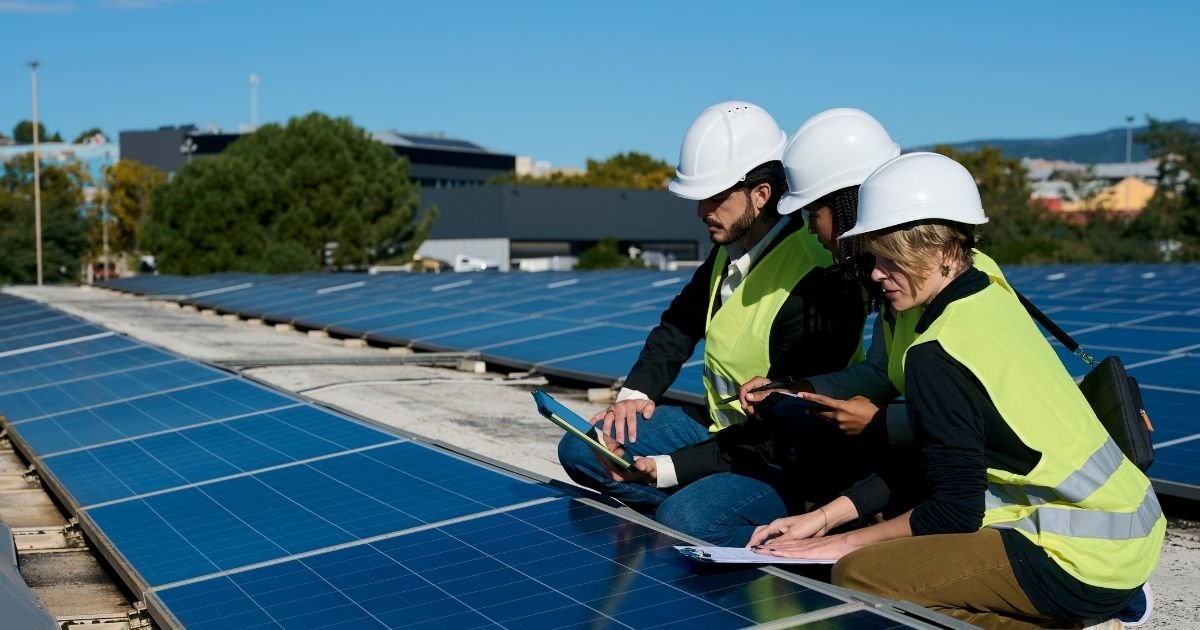
Solar for small businesses in the Philippines can be worth evaluating when a property has suitable installation space and electricity use that aligns with daytime generation. Retail shops, offices, clinics, restaurants, workshops and small warehouses have different operating hours and loads, so the best design should start with the business’s actual operations.
A high electricity bill may justify an assessment, but it does not by itself prove that a solar installation will be suitable or financially attractive.
Map the business’s electricity demand
Collect several months of bills and identify operating hours, seasonal changes and planned growth. List major loads such as air-conditioning, refrigeration, kitchen equipment, pumps, computers, lighting and machinery. If interval or demand data is available, include it because monthly totals may hide peaks and timing differences.
The DOE electricity-rate portal provides monthly rates by distribution utility and customer class. Use the business’s actual utility and tariff when evaluating possible savings.
Check the premises and roof
Confirm that the business controls the property or has permission from the owner to install equipment. Review roof condition, structure, shading, available area, drainage, access and planned repairs. A leased building may require written landlord approval and clear ownership terms for equipment at the end of the lease.
The electrical service, panel, wiring and protection also need review. If installation work could interrupt trading or production, include those constraints in the project brief.
Match the system to operating hours
A business using substantial electricity during daylight may be able to consume more solar generation directly. A business that operates mostly at night may need a different arrangement or battery evaluation. Do not assume that stored energy is always cheaper; include battery costs, efficiency and replacement considerations.
Ask the designer to state the expected output and self-consumption assumptions. The ERC’s amended net-metering rules provide the national context for qualifying export arrangements, but project-specific requirements must be checked with the distribution utility.
Compare full project costs and responsibilities
A proposal should identify panels, inverter, mounting, electrical protection, wiring, labour, commissioning, utility coordination, warranties and exclusions. Ask whether roof reinforcement, electrical upgrades, permits, taxes, monitoring or future maintenance are included.
If the business needs backup, define which systems must remain available. Point-of-sale equipment, refrigeration, security systems, communications and machinery have different power requirements and may need separate circuits.
Consider a phased approach
A smaller initial system may make sense where the business wants to start with a clear, high-value portion of its daytime load. A phased plan should still consider future inverter capacity, roof use, electrical design and equipment compatibility so the first installation does not create avoidable limitations.
Review the commercial solar assessment guide and solar payback period article before making a decision.
Request proposals using one brief
Give shortlisted providers the same bills, operating schedule, site details and objectives. Compare technical fit, expected performance, total installed cost, exclusions and after-sales support. A good project should make operational sense and have a transparent financial model—not rely on an unsupported promise of guaranteed savings.
Official and technical references
Planning a solar project? Start with a free assessment.
Use your electricity bill, property details and project goals to explore preliminary solar options before requesting installer proposals. Assessment results are planning guidance, not a binding installation quotation.
Answers to common questions
Clear answers to the questions businesses often have before starting a website or custom system project.
01 Can a small business in the Philippines install solar panels?
Potentially, subject to property rights, roof and electrical suitability, system design and applicable utility or authority requirements. A commercial assessment can identify what needs to be verified.
02 What type of small business benefits most from rooftop solar?
The fit depends on the business's daytime electricity use, tariff, roof condition, operating schedule and project cost. Businesses with different loads should not rely on one generic savings example.
03 Can solar reduce a small business's demand charges?
The effect depends on the tariff and when the business reaches its billing peak. A project model should review the applicable tariff and interval demand data rather than assuming solar offsets every charge.
04 Should a small business add battery storage?
Consider a battery when backup or shifting solar energy is an important goal. Define critical loads and duration, then compare the added cost and lifecycle assumptions with a non-battery system.
05 What should a small business prepare before requesting a solar quotation?
Prepare electricity bills, operating hours, a list of major loads, property and roof details, lease or ownership information, backup requirements and the desired project timeline.