
Solar Panel and Inverter Comparison: Key Specs
Compare panel and inverter efficiency, capacity, compatibility and warranties. Learn which specifications matter when evaluating a solar proposal.
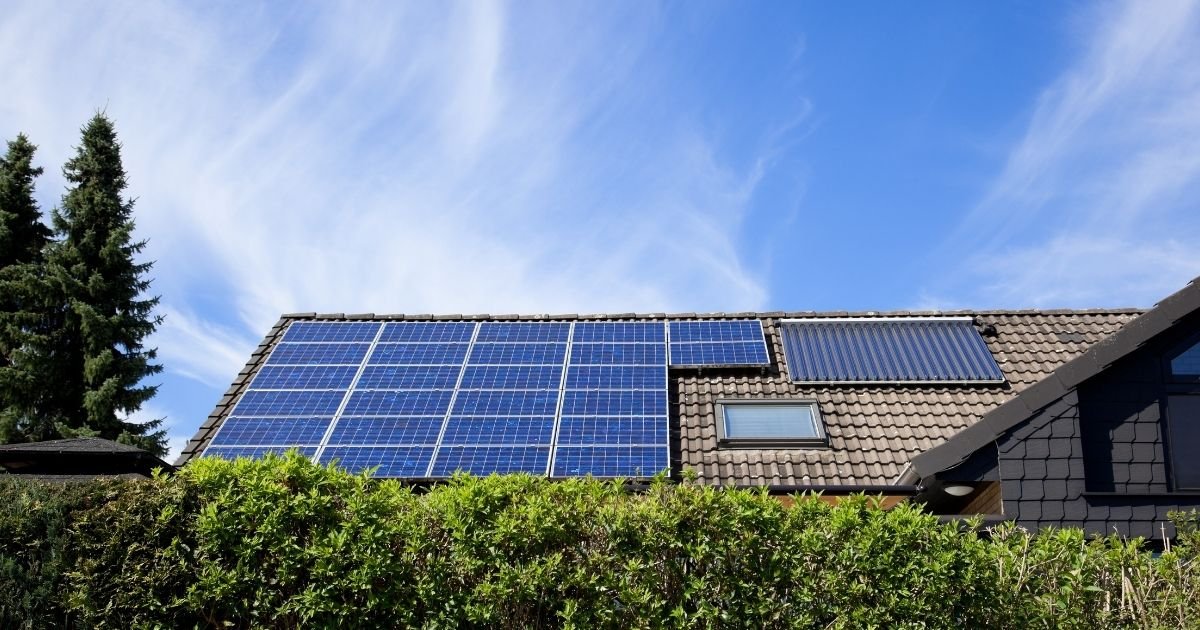
A useful solar panel and inverter comparison in the Philippines starts with the exact equipment models proposed for the project. Broad claims such as high efficiency or premium technology are not enough. Read the datasheets, compare specifications that affect the design and check whether the panel and inverter are compatible.
The best equipment choice depends on the site, capacity, installation environment, warranty terms and the system’s intended operating mode.
Solar panel specifications to review
Look at rated maximum power, module efficiency, physical dimensions, temperature coefficient, operating voltage and current, and stated degradation or performance warranty terms. These figures help explain how modules may fit the available roof area and how output can respond to operating conditions.
Check the product’s certification and installation requirements using manufacturer documentation and the standards applicable to the project. Do not assume that a higher wattage module is automatically better if its dimensions, electrical characteristics or mounting requirements do not fit the roof.
Inverter specifications to review
The inverter converts DC electricity from the panels into AC electricity used by loads or supplied to the grid. Compare its AC output rating, phase, maximum DC input, operating voltage range, number of maximum power point tracking (MPPT) inputs, efficiency, monitoring and protection features.
For a hybrid design, review battery compatibility, backup output, supported operating modes and the loads that can be supplied during an outage. Confirm the DC-to-AC sizing approach and whether the inverter can handle the proposed array under the manufacturer’s limits.
NREL’s System Advisor Model photovoltaic documentation describes detailed models that use module and inverter specifications. Its PVWatts tool is more simplified and uses general system assumptions, so the level of modeling should match the stage of the project.
Check compatibility, not just individual ratings
The designer should confirm string voltage and current limits, MPPT grouping, module layout, inverter capacity and any requirements for optimizers or rapid shutdown where applicable. Cable runs, temperature conditions and shading can affect design decisions.
A panel and inverter may each be reputable products but still be a poor combination for a particular roof or electrical setup. Ask the installer to provide a design or equipment schedule showing how the components work together.
Compare warranties and service arrangements
Review product warranty terms, performance warranty terms, inverter warranty, battery warranty if included and workmanship coverage. Confirm who handles warranty claims in the Philippines, what documentation is required and whether shipping, labour or removal and reinstallation are covered.
Ask whether the monitoring service has recurring fees and what happens if connectivity is interrupted. Equipment selection should consider support and serviceability, not only a specification sheet.
Use the same requirements for every proposal
Request the manufacturer, model and datasheet for each proposed component. Compare ratings, compatibility, warranty coverage, installation conditions and expected system performance. Then review the complete solar quotation checklist and how to compare quotes.
A transparent proposal explains why the equipment fits the site. Avoid choosing components based only on a brand name or one headline specification.
Official and technical references
Planning a solar project? Start with a free assessment.
Use your electricity bill, property details and project goals to explore preliminary solar options before requesting installer proposals. Assessment results are planning guidance, not a binding installation quotation.
Answers to common questions
Clear answers to the questions businesses often have before starting a website or custom system project.
01 What solar panel specifications matter most?
Start with rated power, efficiency, dimensions, temperature coefficient, electrical characteristics, degradation and warranty terms. The useful specifications depend on roof area, climate, inverter design and project goals.
02 What should I compare when choosing a solar inverter?
Review AC rating, phase, DC input limits, voltage range, MPPT inputs, efficiency, monitoring, protection and warranty. For hybrid systems, also check battery compatibility and backup operating limits.
03 Are higher-wattage solar panels always better?
Not necessarily. Higher wattage can come with different dimensions and electrical characteristics. Compare usable roof coverage, module efficiency, system compatibility, warranty and the total design.
04 Can I mix different solar panel brands in one system?
It may be technically possible in some designs, but electrical characteristics and string configuration must be checked. Ask the designer to explain compatibility and how the modules will be grouped.
05 Should I compare equipment warranties separately?
Yes. Panel product and performance warranties, inverter warranties, battery terms and installer workmanship coverage may be different. Review the responsible party, exclusions and claim process for each.