
How to Estimate Solar Savings from Your Electricity Bill
Estimate potential solar savings using your electricity bill and expected energy use. Understand self-consumption, system assumptions and why results can vary.
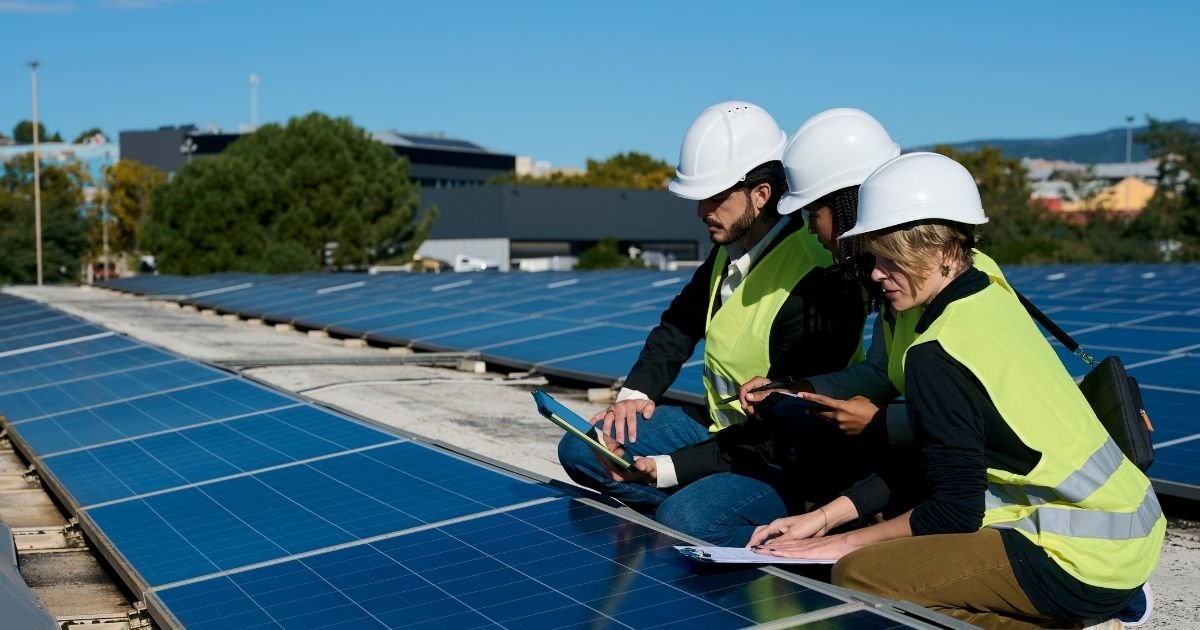
A solar savings calculator in the Philippines should estimate how much grid electricity a property may avoid buying after a solar system is installed. The result depends on the amount of energy the system generates, how much is used on-site, the applicable electricity rate and how exported energy is credited under the relevant arrangement.
It should not assume that every kilowatt-hour generated reduces the bill by the full retail rate. Solar production and household or business demand do not always happen at the same time.
Start with your actual bill
Record the kWh consumed, billing period, customer class and distribution utility. Review multiple months to understand normal demand and seasonal variation. The amount due is not a substitute for energy consumption: a bill can include charges that solar generation may not directly avoid.
The DOE electricity-rate portal publishes monthly rates by distribution utility and customer class. Use the rate relevant to the property and the period being modeled, rather than an assumed national average.
Separate self-consumed energy from exported energy
Solar energy used immediately by appliances can reduce the electricity that would otherwise be purchased from the grid. Generation that is not used on-site may be exported if the system and utility arrangement allow it. Exported energy can be credited differently from energy consumed behind the meter.
A simplified planning model can be thought of as:
- On-site solar use multiplied by the applicable avoided variable electricity rate.
- Plus any applicable credit for exported energy.
- Less additional recurring charges or costs that remain under the arrangement.
This is only a framework. The exact bill calculation depends on the tariff, meter arrangement, utility rules and the customer’s billing details.
Use a realistic generation estimate
A production model should reflect location, array capacity, orientation, tilt, shading, equipment and losses. NREL’s PVWatts calculator explains that predicted performance contains assumptions and uncertainties. Use it to understand the modeling process, not as a substitute for a detailed proposal.
The estimate should also show how expected generation lines up with the property’s demand. A home that is empty during the day may have a different self-consumption profile from a shop, office or facility that operates through daylight hours.
Model export credits carefully
The ERC’s 2025 amended net-metering rules introduced changes for qualified end-users, including provisions on banking and rollover of credits. Confirm the latest rules and application details with the distribution utility serving the site. Do not assume a project’s exported energy is credited at the same rate as energy purchased.
Review more than one scenario
Ask for conservative, expected and higher-generation scenarios where appropriate. Show the assumptions for electricity rates, self-consumption, export credits, system losses, system degradation and operating costs. If a battery is proposed, explain how it changes self-consumption, backup capability, upfront cost and replacement considerations.
For the next step, review the solar payback period guide and battery storage guide. A credible savings estimate should make its assumptions visible so you can change them and understand the effect.
Treat the output as an estimate
Actual savings will depend on the installed design, weather, equipment performance, maintenance, electricity tariffs and your future energy use. Use the estimate to compare proposals, not as a guarantee of a specific peso amount or monthly bill.
Official and technical references
Planning a solar project? Start with a free assessment.
Use your electricity bill, property details and project goals to explore preliminary solar options before requesting installer proposals. Assessment results are planning guidance, not a binding installation quotation.
Answers to common questions
Clear answers to the questions businesses often have before starting a website or custom system project.
01 How do I calculate solar savings from my electricity bill?
Use your kWh consumption, the applicable tariff, estimated solar generation, the share consumed on-site and any export-credit arrangement. Separate charges that solar may offset from fixed or other charges that remain.
02 Does every kWh generated by solar reduce my bill by the full electricity rate?
No. Energy used on-site may avoid some grid purchases, while exported electricity can receive a different credit under the applicable arrangement. The exact bill effect depends on the utility and tariff.
03 Why can solar savings estimates differ between installers?
They may use different generation models, system capacities, shading assumptions, load profiles, tariffs, self-consumption estimates, export credits or included costs. Ask each provider to disclose the assumptions.
04 Can a battery increase my solar savings?
A battery may shift solar energy to times when the property needs it, but it also adds cost and energy losses. Its value should be assessed against the property's load profile, backup needs and battery lifecycle.
05 Are solar savings guaranteed?
No estimate can guarantee future savings. Actual results vary with weather, equipment, system availability, maintenance, electricity rates, consumption patterns and utility credit arrangements.