
What Size Solar System Do I Need in the Philippines?
Estimate the solar capacity that may fit your electricity use. Learn how your monthly bill, daytime consumption, roof space and location affect system sizing.
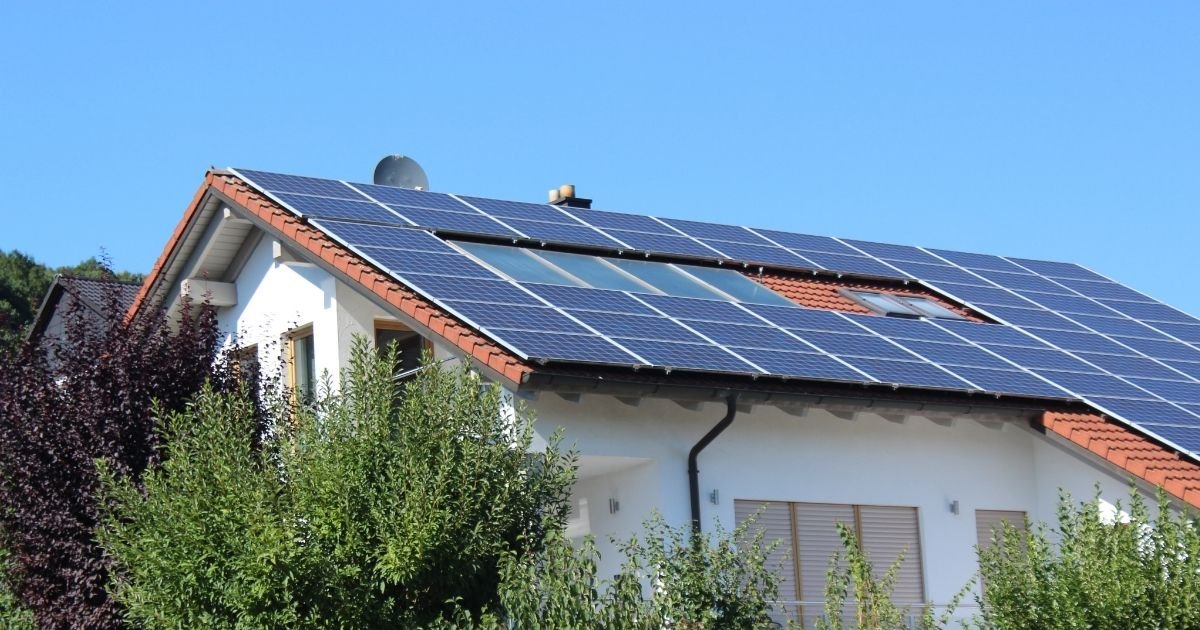
The right solar system size depends on how much electricity a property uses, when that electricity is used and how much suitable space is available for panels. A solar system size calculator for the Philippines can provide a starting estimate, but a reliable design needs local solar-resource assumptions, roof details, equipment specifications and the property’s actual load profile.
A monthly bill alone is not enough to determine the final capacity. Two properties with similar bills may use energy at different times or have very different roofs.
Start with kilowatt-hour consumption
Find the kilowatt-hour (kWh) usage on your electricity bill. Review several billing periods, not only one month, to see how consumption changes. Note unusual months, seasonal air-conditioning use, business cycles or new appliances that may affect future demand.
The amount paid is useful context, but the kWh figure is more directly related to energy use. Tariffs and fixed charges matter later when evaluating savings, while system sizing starts with the energy requirement.
Understand daytime use and system output
A solar array generates electricity during daylight hours. If the property uses most power during the day, more of the generation may be consumed immediately. If most demand occurs at night, the project may need a different design or a battery evaluation.
A preliminary model estimates generation based on location and system assumptions. The NREL PVWatts tool is one reference for understanding how location and array inputs affect estimated output. Its results are not a roof inspection or a guaranteed forecast. For more detailed modeling with equipment specifications, NREL describes the System Advisor Model photovoltaic options.
Check the roof and electrical constraints
Measure or estimate only the area that is realistically usable. Account for shading, roof orientation, tilt, vents, skylights, walkways, setbacks and safe access. The roof’s age and structural condition also matter. A roof that needs repair may need work before modules are installed.
The electrical service, main panel, phase, wiring and protection equipment can affect the practical system design. These are not details to confirm from an electricity bill; a qualified site assessment is needed.
Use a sizing estimate as a range
A useful early calculation combines average energy use with an estimated site-specific production level. The result should be treated as a range because weather, orientation, shading, temperature, equipment and system losses affect generation. A simple rule such as a fixed number of panels per bill amount skips these important variables.
Ask the assessor to state the model, location, capacity definition, assumed system losses and estimated output period. Then check how much of the expected generation could be used on-site and how any excess might be treated.
Compare configurations before choosing capacity
On-grid, hybrid and off-grid systems serve different needs. Adding a battery does not simply increase the number of panels required; it changes how the system stores and uses energy. Review on-grid vs hybrid vs off-grid solar and whether solar battery storage is worth it.
What to give your installer
Share your bills, daily operating pattern, roof photos, property location, major loads and project priorities. Ask the installer to explain the proposed system size, expected output, export assumptions and any limitations. The best capacity is not automatically the largest one—it is the design that fits the property’s usage, site and objectives.
Official and technical references
Planning a solar project? Start with a free assessment.
Use your electricity bill, property details and project goals to explore preliminary solar options before requesting installer proposals. Assessment results are planning guidance, not a binding installation quotation.
Answers to common questions
Clear answers to the questions businesses often have before starting a website or custom system project.
01 How do I estimate the solar system size I need?
Start with several months of kWh consumption, identify daytime and nighttime loads, and use a location-specific generation model with roof and system assumptions. Treat the result as a preliminary range until a site survey confirms the design.
02 Can I size a solar system using only my monthly electricity bill?
The bill provides useful consumption and tariff information, but it does not show when electricity is used, roof shading, usable area, electrical constraints or backup needs. Those details are needed for a suitable design.
03 Does a higher monthly bill always mean I need more solar panels?
Not necessarily. Bills may change because of tariff changes, fixed charges or consumption timing. System sizing should be based on kWh use, load profile, expected generation and the project's goals.
04 Should I choose a larger solar system for future appliances?
Future loads can be included in the planning assumptions, but they should be realistic and documented. Ask the designer to show the current-use case and the expected future-use case separately.
05 Does adding a battery change the solar system size?
It can change the design, inverter choice and energy-management requirements. The battery should be sized around the loads and backup duration you want, not simply added as a generic percentage.