
Home Solar Assessment: Check Roof and Energy Needs
Find out what a home solar assessment should review, including roof condition, shade, electricity use and available space before you compare installer offers.
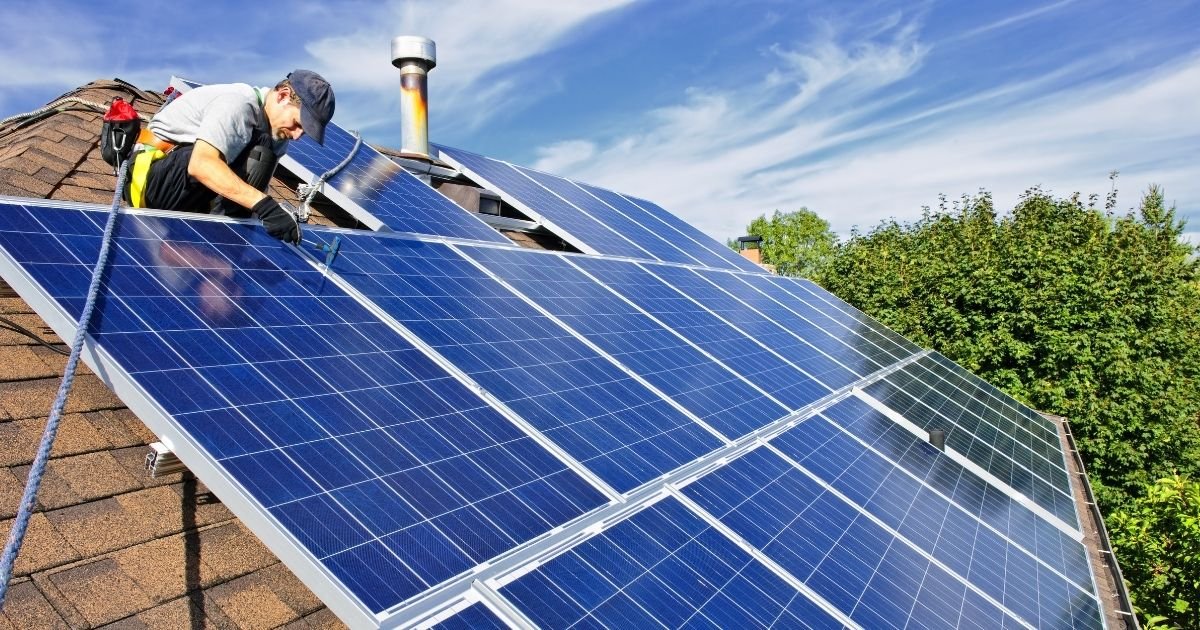
A residential solar assessment checks whether a home’s electricity use, roof and electrical setup are suitable for a proposed solar project. It should help the homeowner understand possible system configurations and the additional checks needed before requesting a final installation quotation.
The assessment should begin with how the household uses electricity—not simply how large the roof looks or how much the last bill costs.
Review the home’s energy needs
Collect several months of electricity bills and note the kWh used in each billing period. Identify when major appliances operate. Air-conditioning, water pumps, refrigerators, cooking equipment and work-from-home loads can affect the daily pattern.
Tell the assessor whether the household is usually occupied during daylight hours and whether backup power is important. These details influence whether an on-grid system may be sufficient or whether battery storage deserves a separate evaluation.
Check roof condition and usable area
The assessor should review roof material, age, slope, orientation, shading, obstructions, drainage and safe access. A roof may have enough apparent area but limited usable space after walkways, vents, skylights and shaded sections are excluded.
Roof structure and waterproofing need appropriate inspection. If repairs or replacement are already planned, consider the timing before installing panels. Do not rely on a satellite image or a few photographs as proof that a roof can carry the proposed array.
NREL’s PVWatts calculator can help illustrate the effect of location and system inputs on estimated output, but it does not replace a property inspection or final engineering design.
Review the electrical installation
A home assessment should identify the existing service, main panel, circuit arrangement, grounding and potential upgrade needs. The inverter location, cable route, isolation and protection should be explained. The provider should also identify any work that is not included in the initial estimate.
Understand the local utility pathway
Ask whether the proposed system is intended to export electricity or operate as a zero-export arrangement. The requirements can differ by configuration. The DOE’s 2026 circular on certain own-use solar systems describes policy for specified zero-export and micro-solar installations. For net-metering, review the ERC’s amended rules and confirm current procedures with the distribution utility serving the home.
What should the assessment deliver?
Expect a summary of energy use, preliminary system size, expected generation assumptions, roof and electrical questions, possible battery options and next steps. Ask the assessor to state what was not verified remotely and what needs an on-site survey.
Before inviting providers, use the solar assessment checklist and review how to compare solar quotations. The purpose of the assessment is to help you request clear, comparable offers—not to pressure you into a particular package.
Official and technical references
Planning a solar project? Start with a free assessment.
Use your electricity bill, property details and project goals to explore preliminary solar options before requesting installer proposals. Assessment results are planning guidance, not a binding installation quotation.
Answers to common questions
Clear answers to the questions businesses often have before starting a website or custom system project.
01 What happens during a residential solar assessment?
The assessor reviews electricity use, roof condition and usable area, shading, electrical service, project goals and the intended utility arrangement. The result should identify preliminary options and any details that require an on-site survey.
02 How many electricity bills should I prepare?
Several months are preferable because they reveal changes in consumption. A full year can be useful where seasonal air-conditioning, occupancy or household routines affect energy use.
03 Can a small roof still support a solar system?
Possibly, but usable area depends on roof shape, orientation, shading, obstructions, access and structural condition. A site-specific design is needed to determine practical capacity.
04 Does a home solar assessment include a roof structural inspection?
A preliminary or remote assessment may only flag questions. Structural suitability and mounting details should be checked by appropriately qualified professionals before installation.
05 Should a homeowner choose a battery during the assessment?
The assessment should first identify whether backup or load shifting is a priority. A battery can then be evaluated against essential loads, backup duration, cost and compatibility.