
Solar Net Metering in the Philippines: What to Know
Understand the basics of solar net metering in the Philippines, what to ask your utility and installer, and why exported electricity may be valued differently.
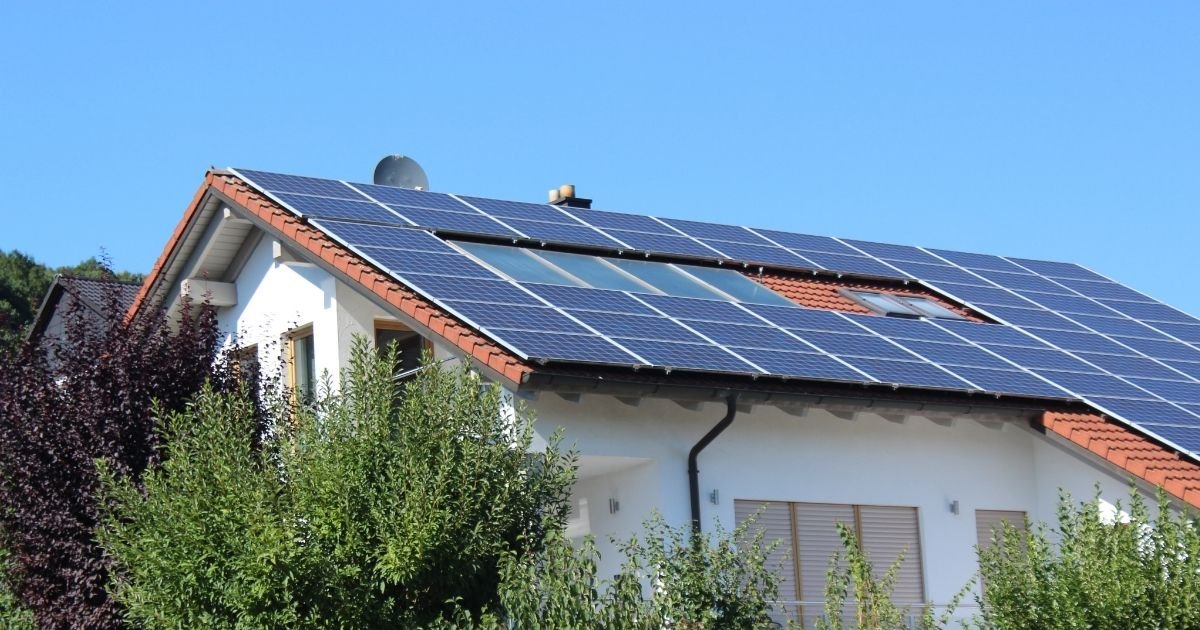
Solar net metering in the Philippines allows qualified renewable-energy users to connect an eligible system to the distribution grid under the applicable rules and receive credits for electricity exported to the grid. The details depend on the rules in force, the system, the customer’s eligibility and the distribution utility serving the property.
Do not assume that every solar system automatically qualifies or that exported electricity reduces the bill at the same rate as electricity consumed on-site.
Understand the difference between self-use and export
When solar generation supplies appliances behind the meter, the property may avoid purchasing that energy from the grid. If generation exceeds demand and the system is approved to export, the excess energy is measured and treated according to the applicable program and utility arrangements.
The value of exported electricity may differ from the retail value of energy purchased. A savings model should show self-consumption and export credits separately.
Check the updated ERC rules
The ERC announced the 2025 amended rules enabling the net-metering program, issued through Resolution No. 15, Series of 2025. The amendments include provisions for banking and rollover of net-metering credits across current and future billing periods for qualified end-users. They also require distribution utilities to publish program information, including application processes and hosting capacities.
Read the current rules and confirm their implementation with the utility that serves the property. The availability of capacity, application forms, technical requirements and processing steps should be checked before installation.
Ask the utility and installer these questions
- Does the proposed configuration qualify for net metering?
- What application documents, plans, inspections and agreements are required?
- Is the local distribution transformer or feeder able to accommodate the proposed export?
- What meter arrangement is required, and who pays any applicable charges?
- How are exported kilowatt-hours measured, credited and carried forward?
- Who is responsible for submitting the application and coordinating commissioning?
Meralco’s net-metering application page is an example of a utility-specific resource for customers in its service area. Its forms and requirements should not be assumed to apply to customers served by another utility.
Do not confuse net metering with zero-export systems
A zero-export system is designed to prevent excess generation from being sent to the distribution grid. The DOE’s 2026 policy circular for specified zero-export and micro-solar systems addresses own-use configurations. That is a separate policy pathway from an export arrangement under net metering.
The installer should state clearly how the system is configured, what it does when generation exceeds the property’s demand and which approvals or notifications apply.
Include net metering in your project economics
Ask for a savings model that separates on-site use from exported energy and identifies the credit assumptions. Review the solar savings calculator guide and complete quotation checklist.
Before signing, obtain current information directly from the relevant utility and confirm responsibilities in writing. Rules and published forms can change, so use official sources rather than an old quotation or an installer claim.
Official and technical references
Planning a solar project? Start with a free assessment.
Use your electricity bill, property details and project goals to explore preliminary solar options before requesting installer proposals. Assessment results are planning guidance, not a binding installation quotation.
Answers to common questions
Clear answers to the questions businesses often have before starting a website or custom system project.
01 What is solar net metering in the Philippines?
It is a program for qualified renewable-energy end-users that allows eligible systems to connect to the distribution grid and receive credits for exported electricity under the applicable rules and utility process.
02 Is exported solar electricity credited at the same rate as electricity I buy?
Do not assume so. Exported energy and on-site consumption can be valued differently. Ask the distribution utility and installer to explain the applicable credit calculation and show it separately in the savings model.
03 What changed in the 2025 ERC net-metering rules?
The ERC's 2025 amendments include provisions for banking and rollover of credits for qualified end-users and requirements for distribution utilities to publish program information such as application processes and hosting capacities. Confirm the current implementation details with the relevant utility.
04 Is a zero-export solar system the same as net metering?
No. A zero-export system is designed to keep excess electricity from flowing into the grid. Net metering involves an eligible export arrangement and crediting under the applicable rules.
05 Does every distribution utility follow the same application process?
The national rules provide the framework, but forms, published capacity information and practical submission procedures should be confirmed with the distribution utility that serves the property.