
Solar Roof Assessment: Is Your Property Suitable?
Review roof condition, usable area, orientation, shading and electrical considerations that influence solar feasibility before moving forward with a project.
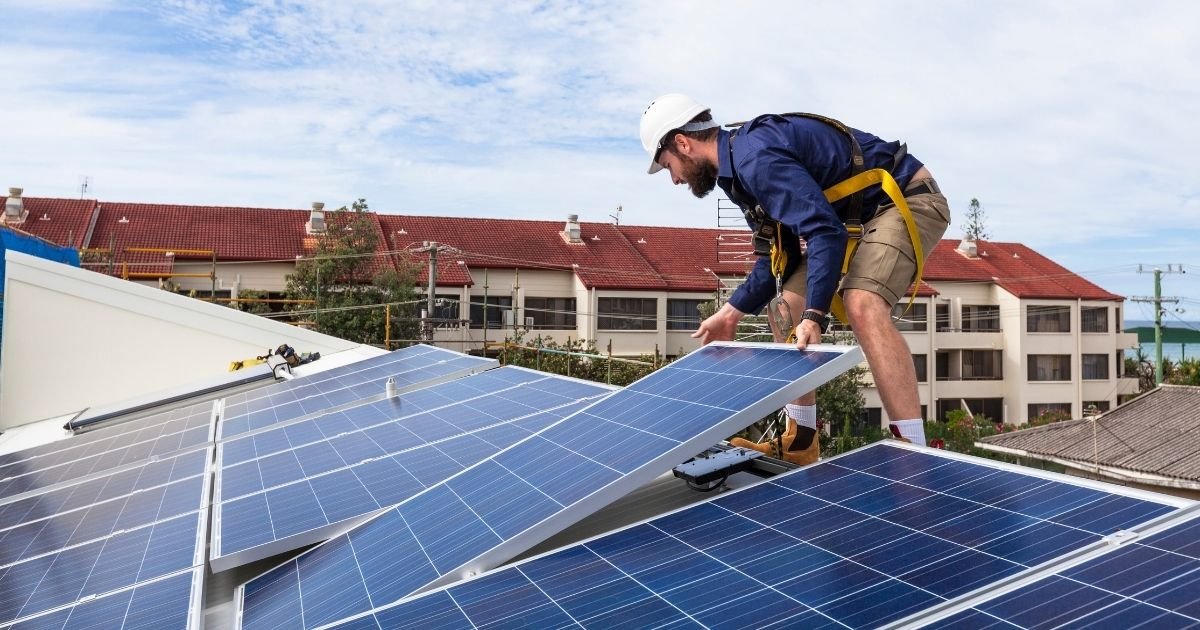
A solar roof assessment checks whether a property has a suitable area and condition for a proposed rooftop solar installation. It considers more than the number of square metres available. Roof structure, material, age, orientation, tilt, shading, drainage, access and electrical routing can all affect feasibility.
A roof that looks large from the street may have limited usable space once safety access, obstructions and shaded areas are considered.
Review roof condition before system design
Identify the roof material, approximate age, repair history, leaks and planned renovations. The mounting system should be appropriate for the roof type and installed in a way that addresses waterproofing and manufacturer requirements. If the roof may need replacement soon, compare the cost and disruption of doing that work before solar installation.
Structural suitability should be checked by qualified professionals where required. Do not treat a photograph, online map or visual estimate as a structural certification.
Calculate usable area, not total area
Usable area excludes or accounts for vents, skylights, water tanks, access paths, fire-safety or maintenance clearances, roof edges and other obstructions. Nearby trees and buildings can create shade that changes throughout the day and year.
Orientation and tilt influence how much sunlight reaches the modules. A roof does not need to match one ideal direction to be considered, but the design should explain the effect of the actual roof geometry and any shading.
Understand what a generation model can tell you
NREL’s PVWatts calculator estimates photovoltaic output using location and system inputs. Its documentation explains that estimates contain assumptions and that some quick size estimates do not account for roof tilt, azimuth or shading in the way a detailed roof design would. NREL’s System Advisor Model photovoltaic options provide more detailed modeling approaches when equipment specifications are known.
A model cannot verify roof strength, hidden defects, waterproofing or electrical safety. Those need site-specific inspection.
Check electrical and installation access
Consider the location of the main panel, inverter, cable route, grounding and isolation equipment. The installer should assess safe roof access, lifting equipment, working areas and how installation will affect people using the building. Identify whether the property is occupied or operating during the planned work.
Ask for a roof assessment report
A useful report should identify the roof area considered usable, shading observations, orientation and tilt assumptions, known condition issues, structural checks still required, possible mounting approach and electrical constraints. It should also state any information that remains unverified.
Review the residential solar assessment guide or the commercial assessment guide depending on the property type.
Do not install before the roof questions are resolved
The final design should reflect the actual roof, not an idealized drawing. Resolve structural, waterproofing, access and electrical issues before signing off on installation. A careful roof assessment helps reduce avoidable surprises and supports a safer, more suitable project.
Official and technical references
Planning a solar project? Start with a free assessment.
Use your electricity bill, property details and project goals to explore preliminary solar options before requesting installer proposals. Assessment results are planning guidance, not a binding installation quotation.
Answers to common questions
Clear answers to the questions businesses often have before starting a website or custom system project.
01 What does a solar roof assessment check?
It reviews roof condition, material, structure, usable area, orientation, tilt, shading, obstructions, access, waterproofing and electrical routing. Some items require an on-site inspection or qualified structural review.
02 Does a large roof mean the property is suitable for solar?
Not automatically. Usable area can be reduced by shade, vents, access routes, roof edges, structural limitations and maintenance clearances. Roof condition and electrical suitability matter as well.
03 Which roof direction is best for solar panels in the Philippines?
The effect depends on the exact location, roof tilt, orientation, shading and consumption pattern. A site-specific generation model should compare the actual roof surfaces instead of relying on a universal direction rule.
04 Can solar panels be installed on an old roof?
Possibly, but the roof's condition, remaining service life, structure and waterproofing should be assessed first. Necessary repairs or replacement may be more practical before installing the mounting system.
05 Can an online solar calculator confirm roof suitability?
No. A calculator can estimate energy output from assumptions, but it cannot certify structure, waterproofing, mounting points, electrical safety or site access.